





TAS Commitment

Product Snapshot
Description
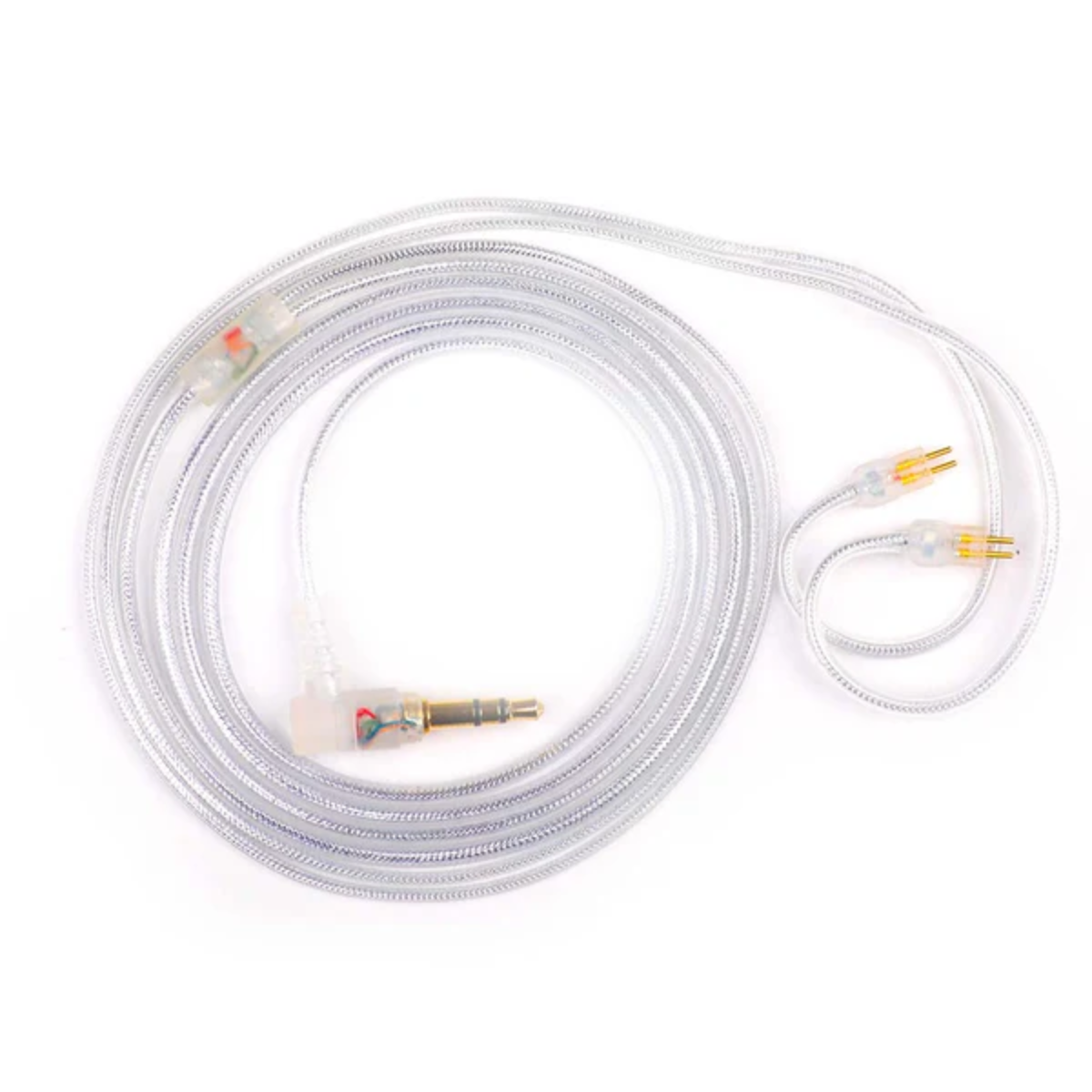
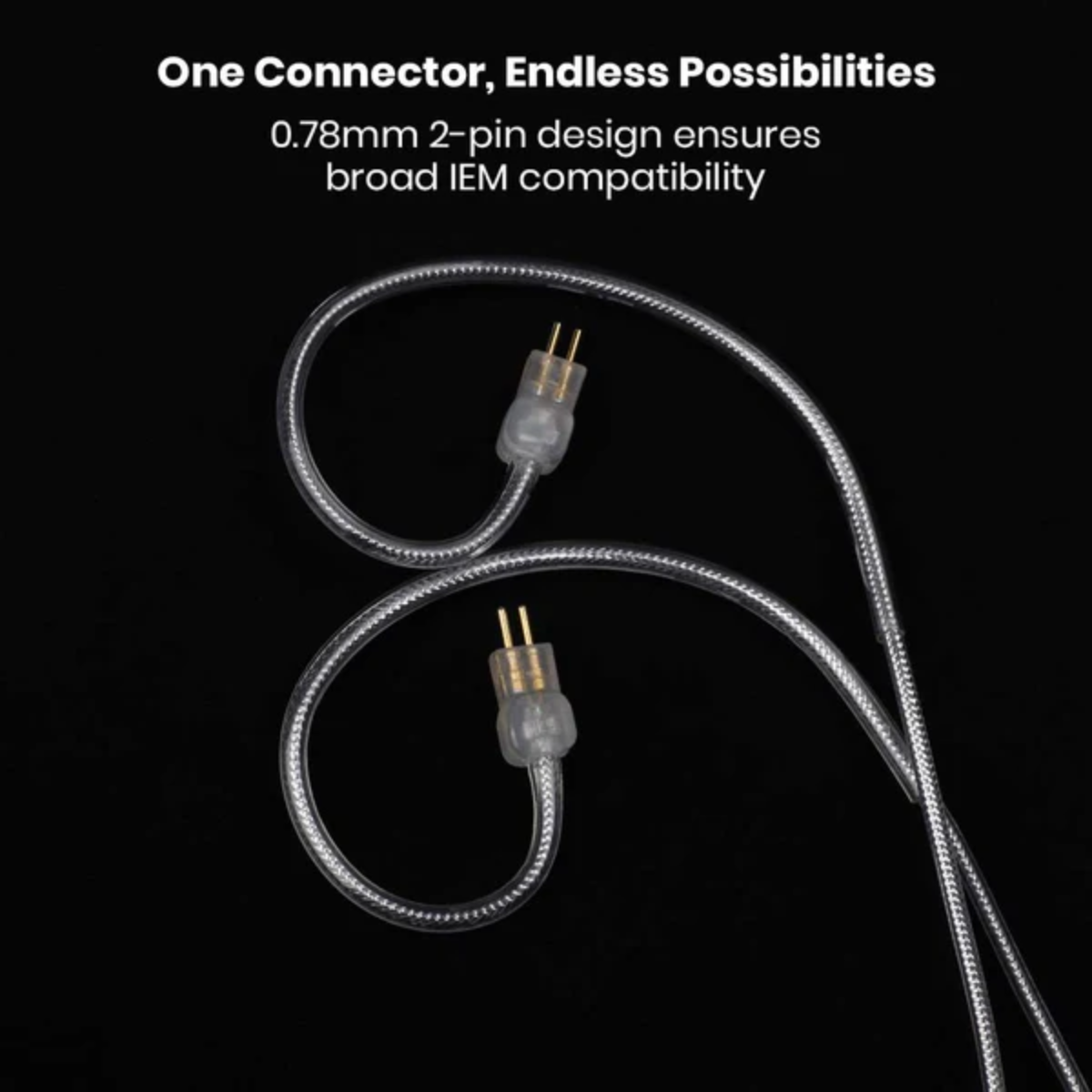
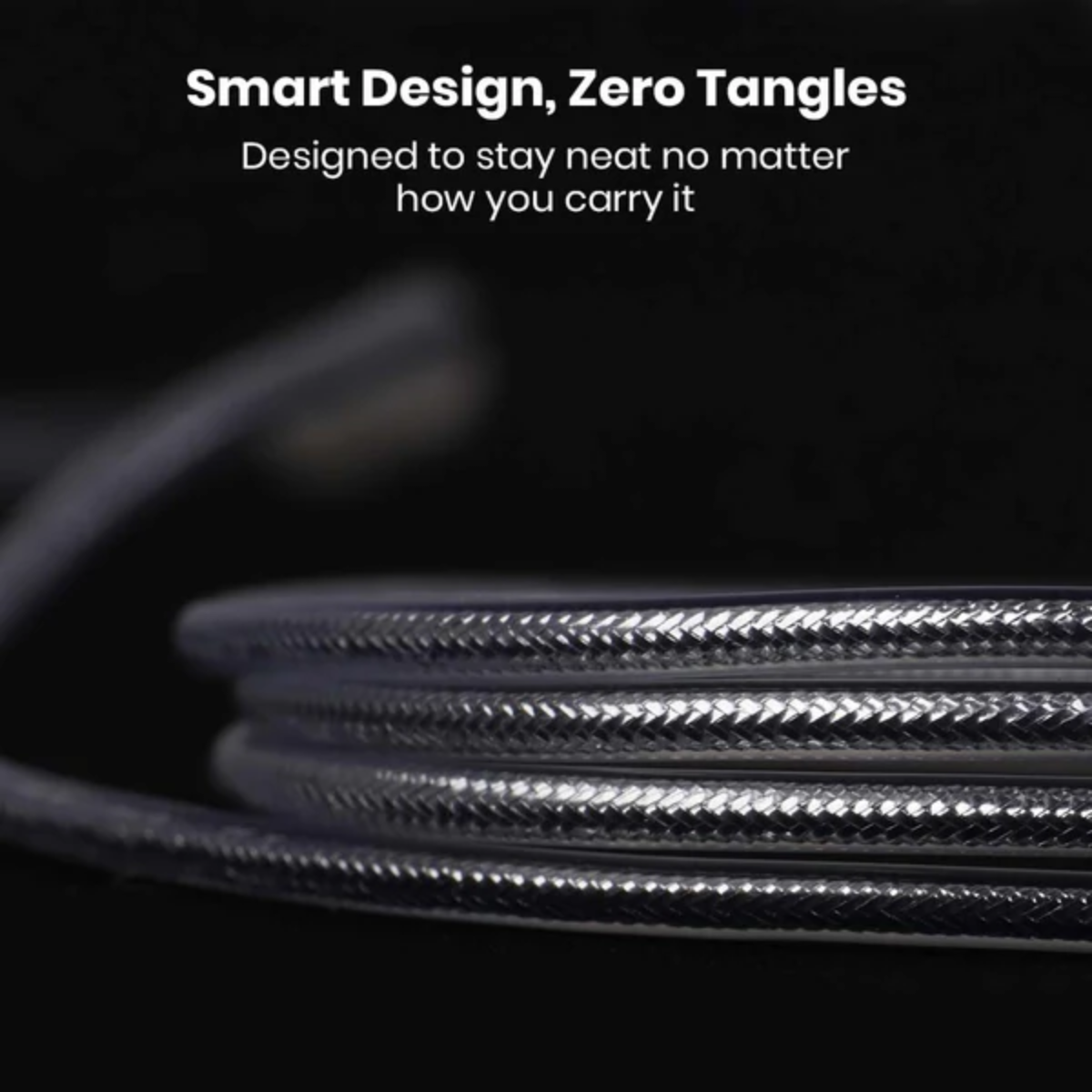
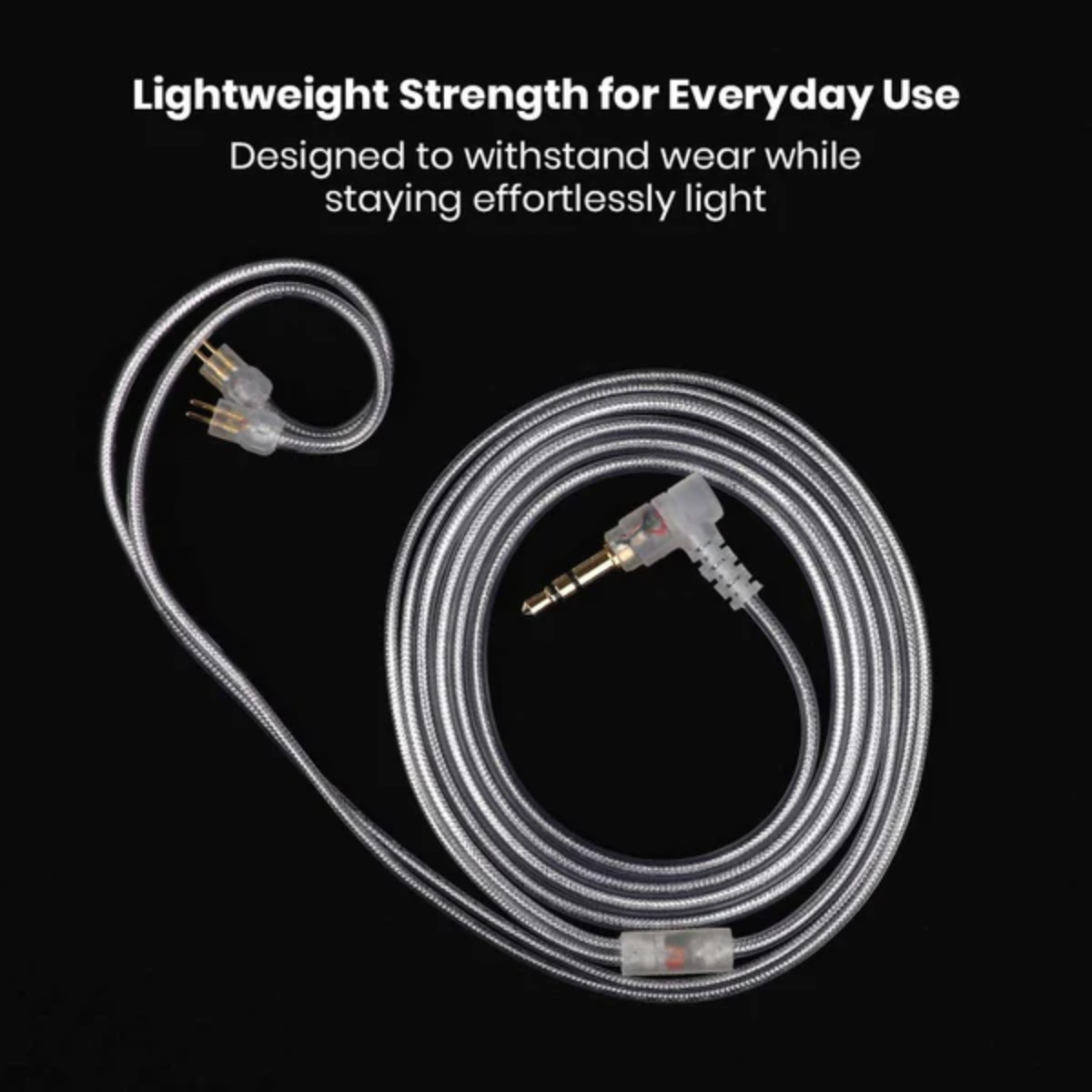
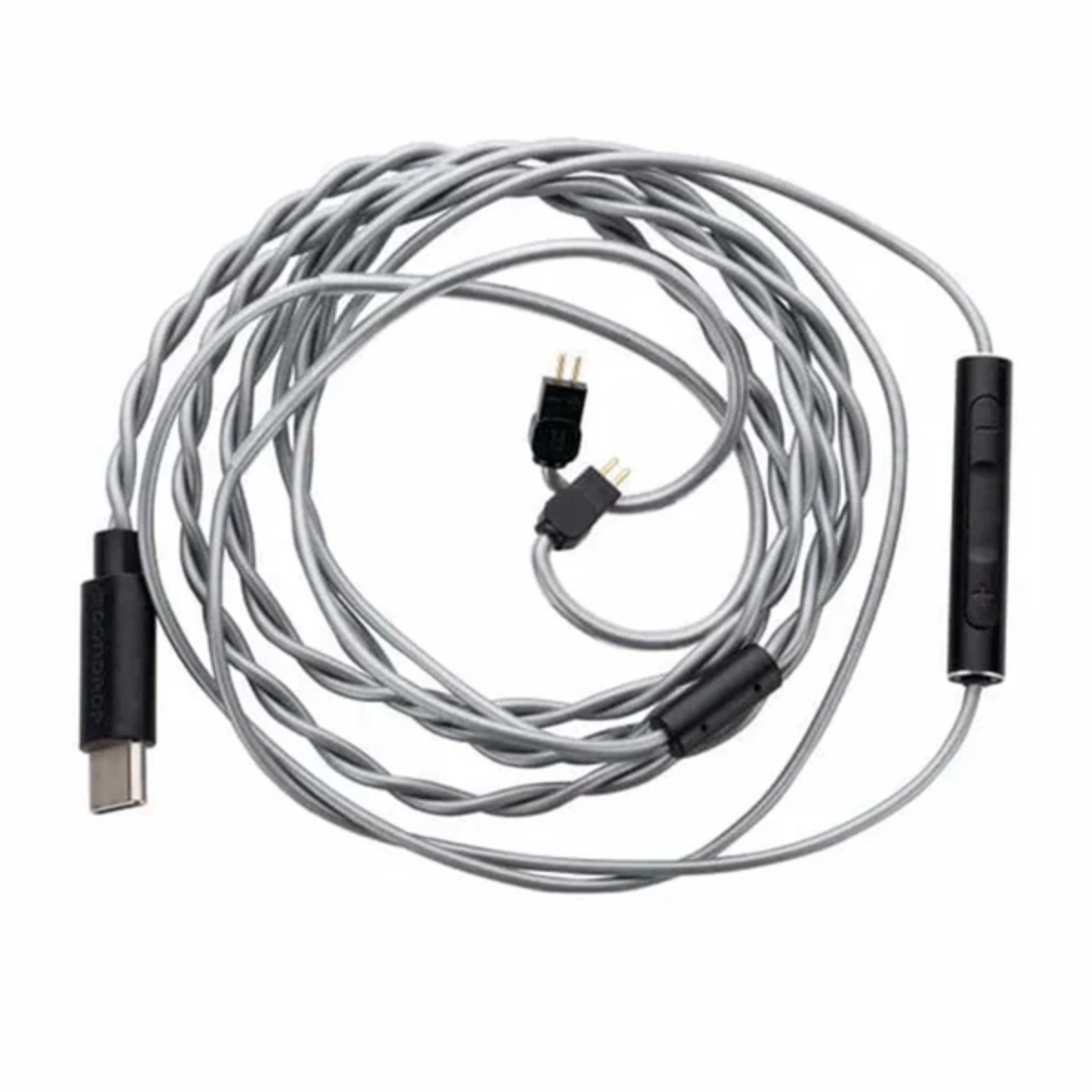
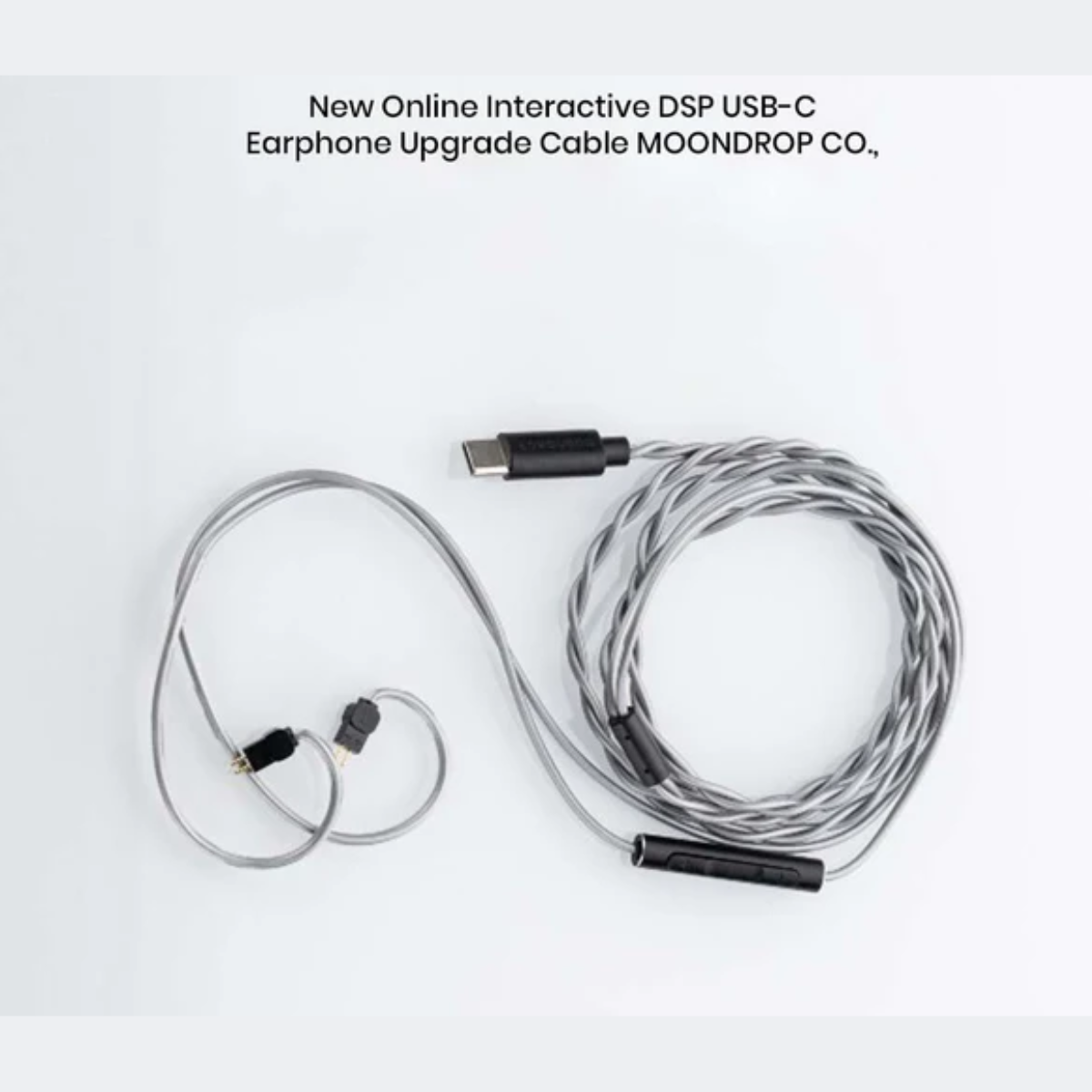
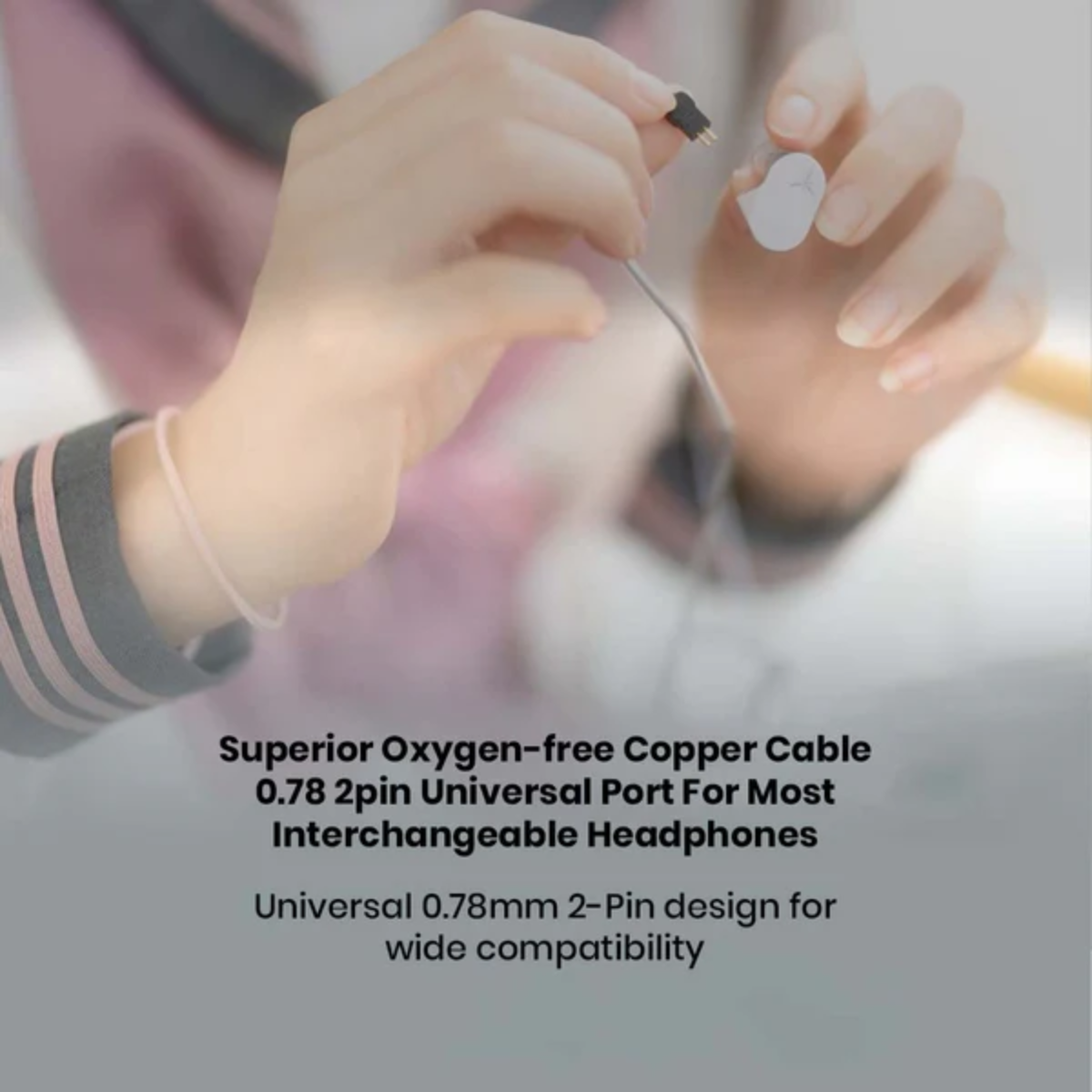
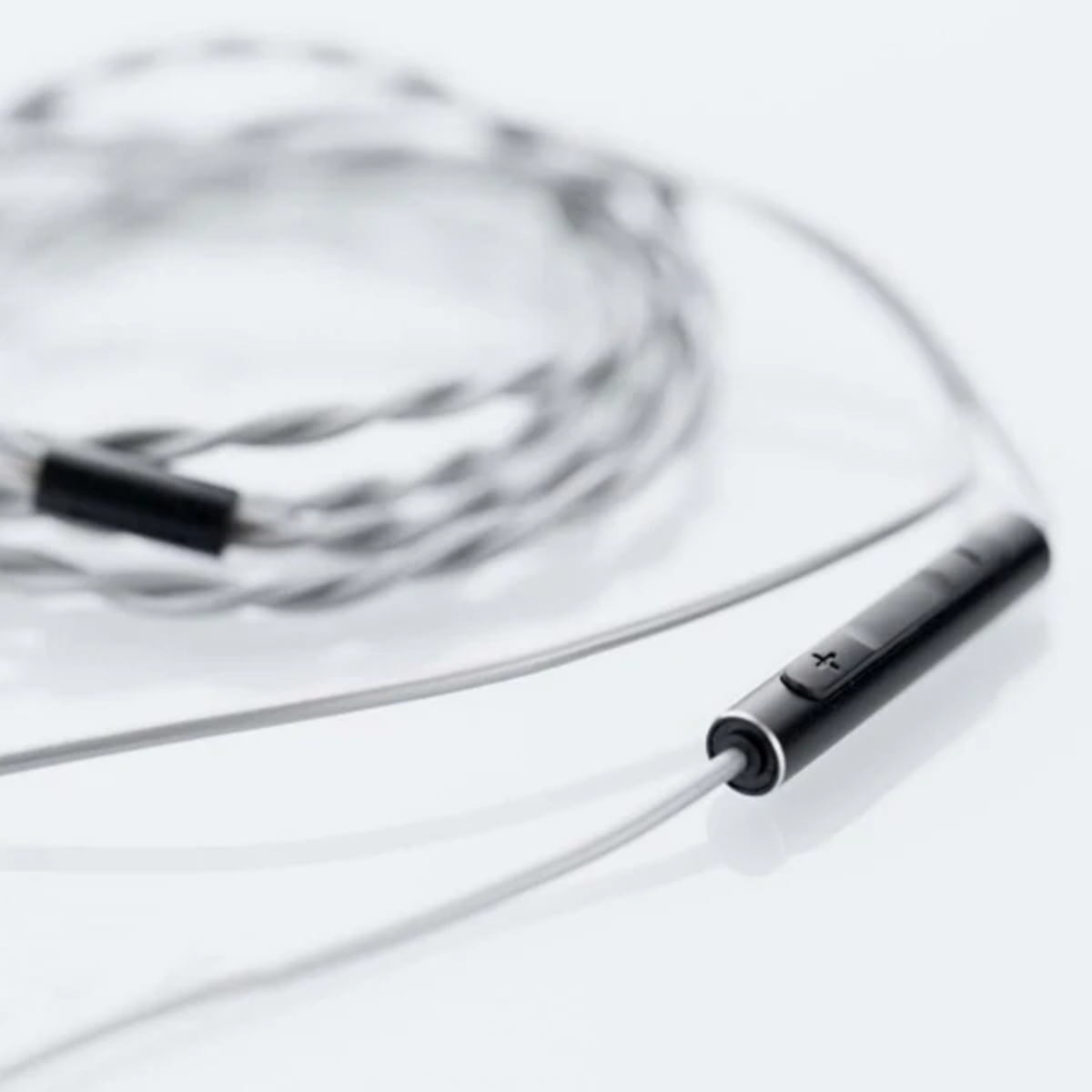
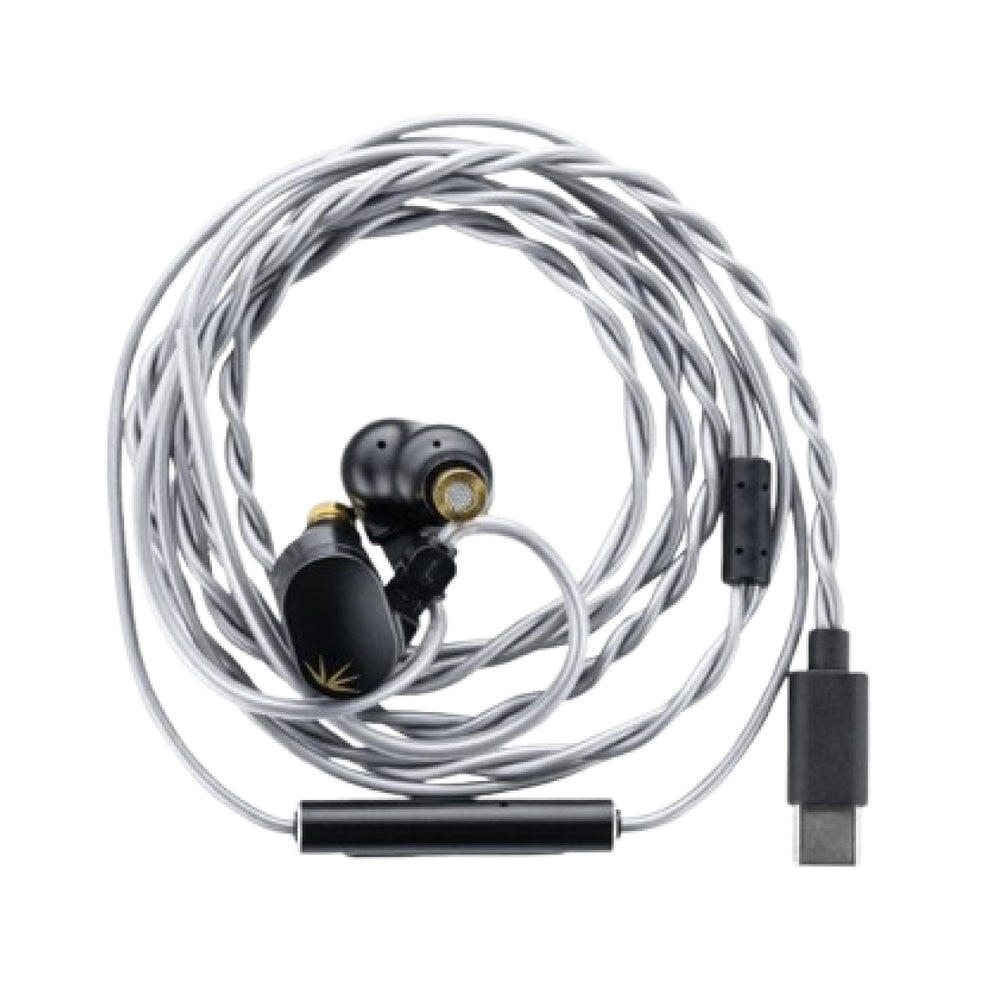
Give your Moondrop Chu II or Chu II DSP a fresh upgrade with the official Moondrop replacement cable, built to restore performance and preserve the signature clarity these IEMs are known for. Featuring the reliable 0.78mm 2-pin detachable connector, this cable lets you swap, replace, or upgrade with ease—perfect for repairing a worn-out cable or keeping a spare for everyday use.
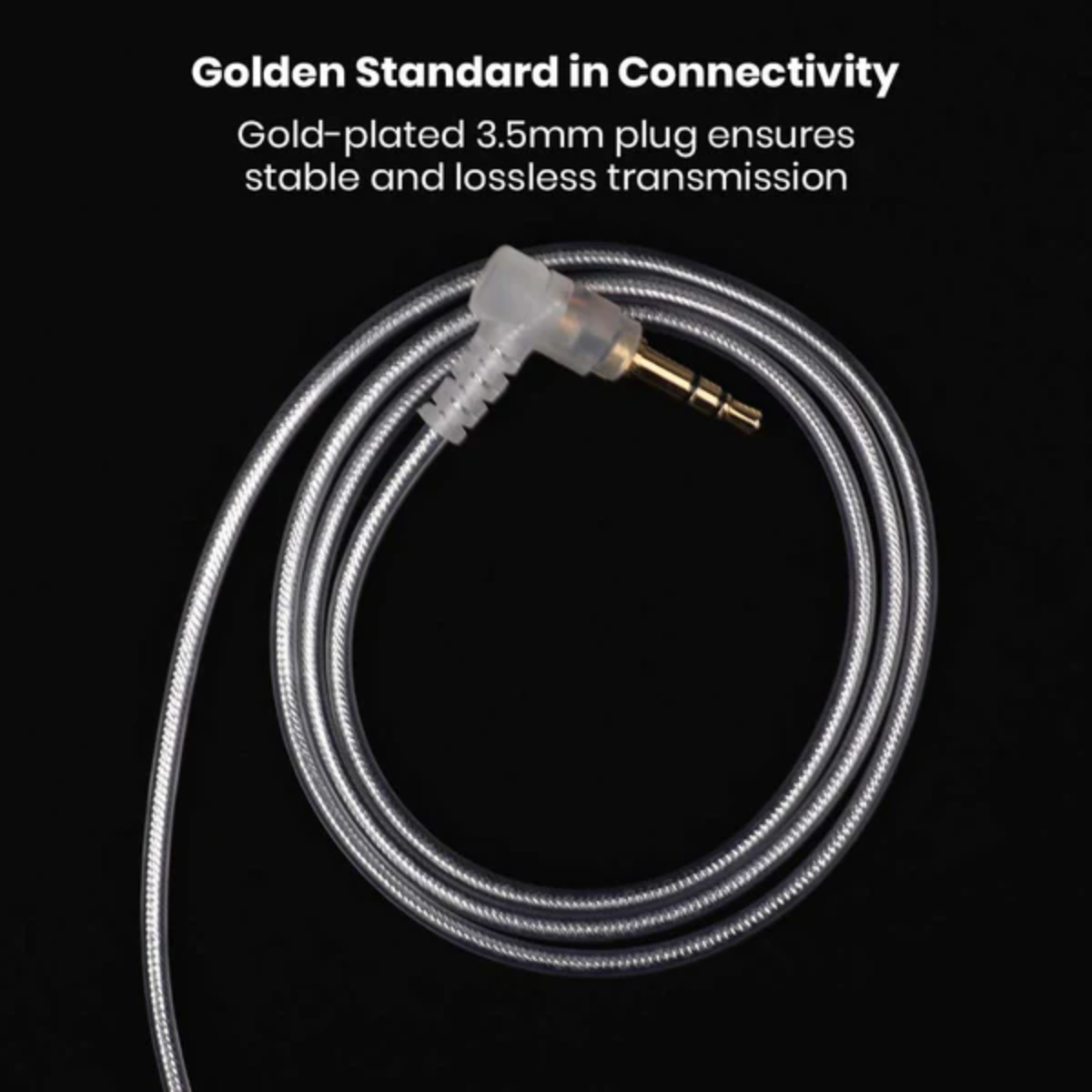
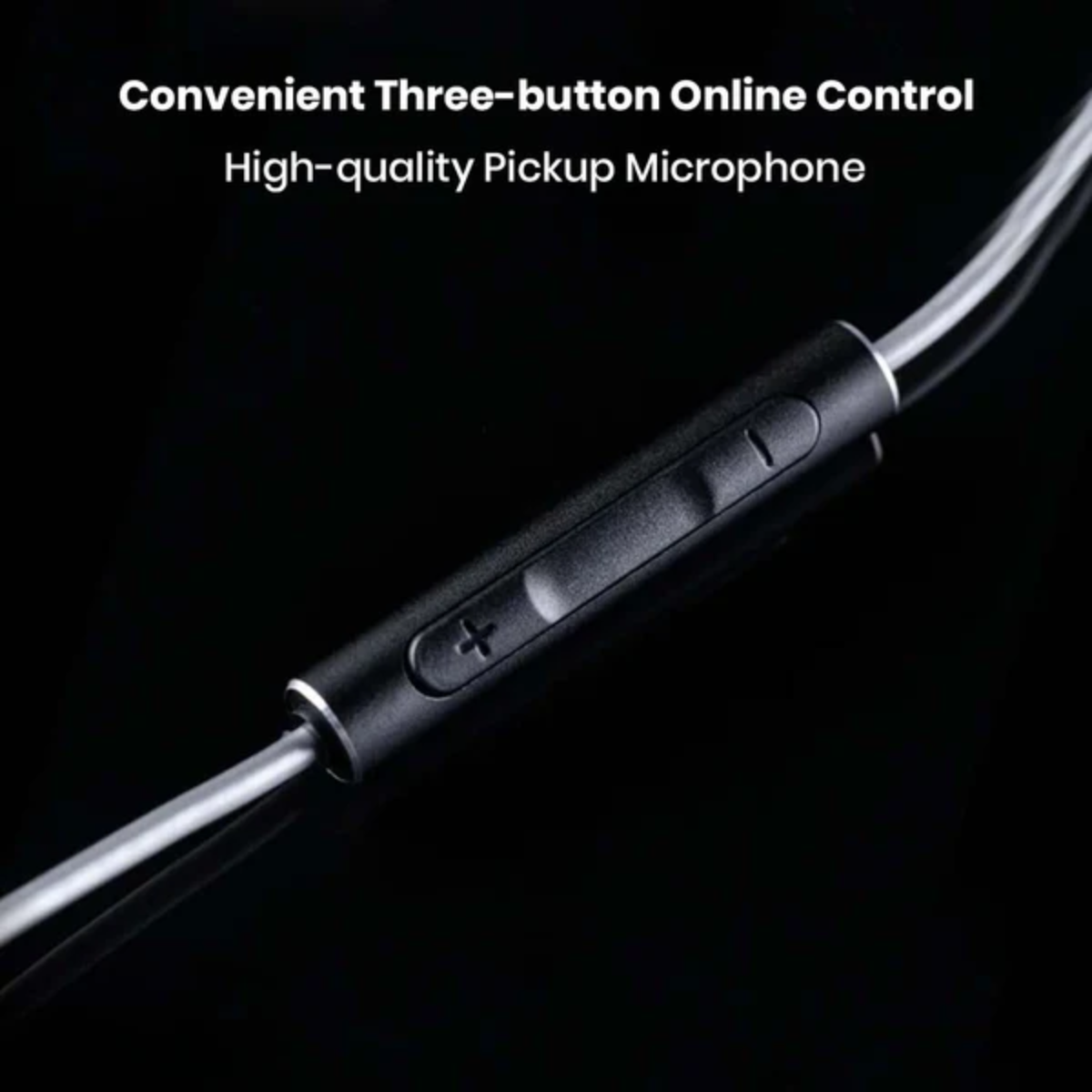
The 3.5mm version (for Chu II) offers a clean, interference-free connection without a microphone, making it ideal for pure music listening. Meanwhile, the USB-C DSP version (for Chu II DSP) includes built-in DSP processing and an in-line microphone, ensuring better convenience, clearer calls, and seamless compatibility with modern smartphones, tablets, and laptops.
Crafted to maintain the audio integrity Moondrop is known for, this replacement cable ensures you continue enjoying the same detailed, balanced and high-resolution sound—without compromise.
Connector: 0.78mm 2-Pin
Plug Options:
• 3.5mm (Single-Ended) – Without Mic
• USB Type-C – With DSP + Mic
Microphone:
• 3.5mm: No
• Type-C: Yes
Warranty: No Warranty
Package Contents:
• 1× Moondrop Chu II / Chu II DSP Replacement Cable
You May Also Like
Customers praised this replacement cable for its top-notch quality and reliable performance. Reviewers said it "feels like brand new earphones" and works just like the original. The cable is noted for good working condition and affordable pricing. One customer successfully replaced a damaged cable, finding it "very helpful."
- Feels like brand new earphones. The wire quality is so good.
- Such a good product and the quality is top notch.
- Works just like the original cables. Nice replacement.
Such a good product is it and the quality of is top notch.
I opened it fastly then at the end i saw take a video while opening sorry audio store. But tbh the wire quality is so good and delivery also came before expected date. If someone reading this comment the 1 reason to buy from audio store is they keep affrodable prices when compared to headphonezone and concept kart and offcourse amazon and the quality is also on top notch
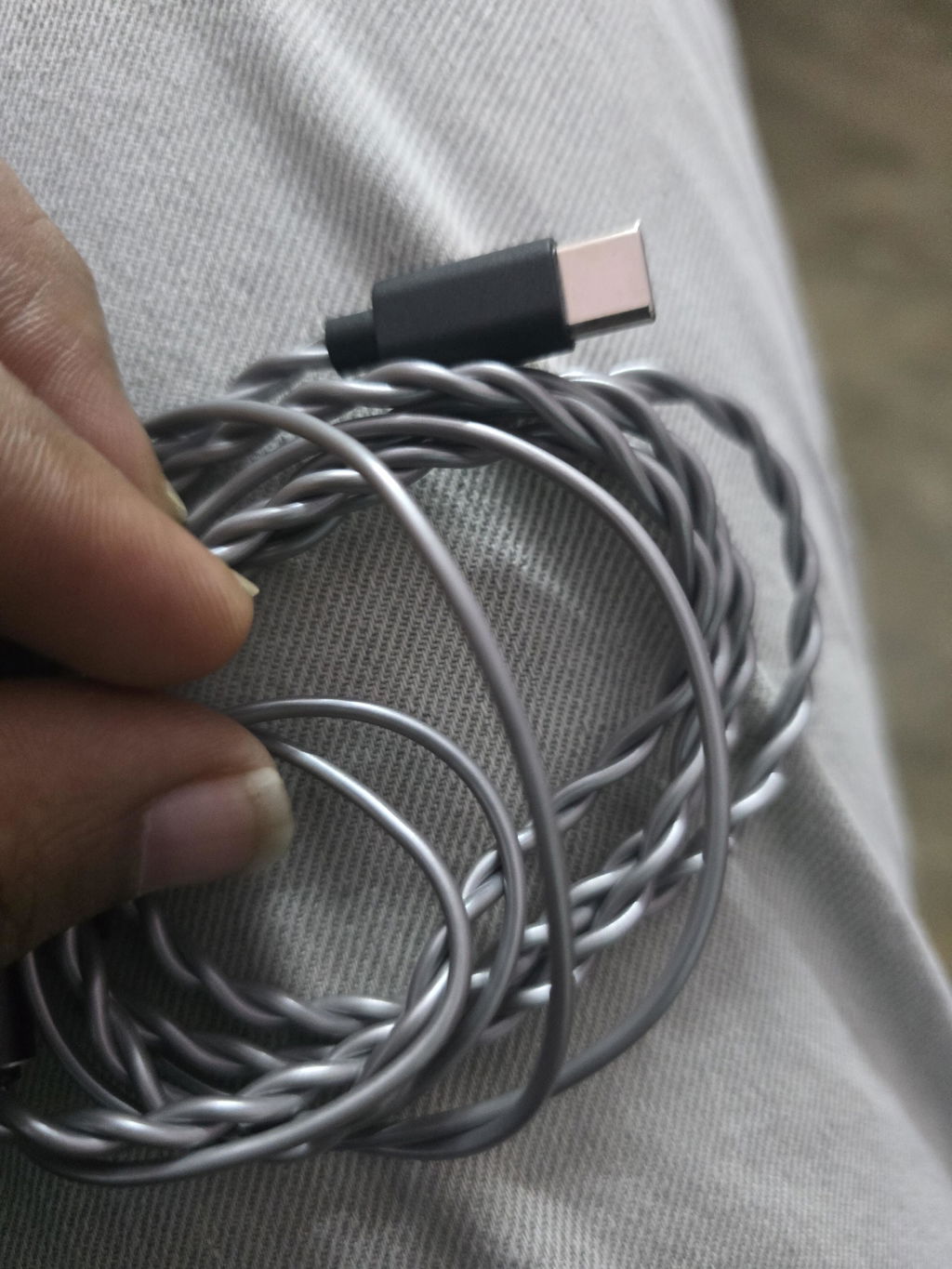
This is the replacement for my purchase of moon drop dsp chu2 which I bought in aug 2025 i don't know how it got damaged from last it stopped working on left side buds and after a few days mic also stopped working and i forgot to claim the warranty for it . So find this spare cable very helpful since I love these IEMS for real Tq AUDIO STORETEAM FOR THE smooth delivery
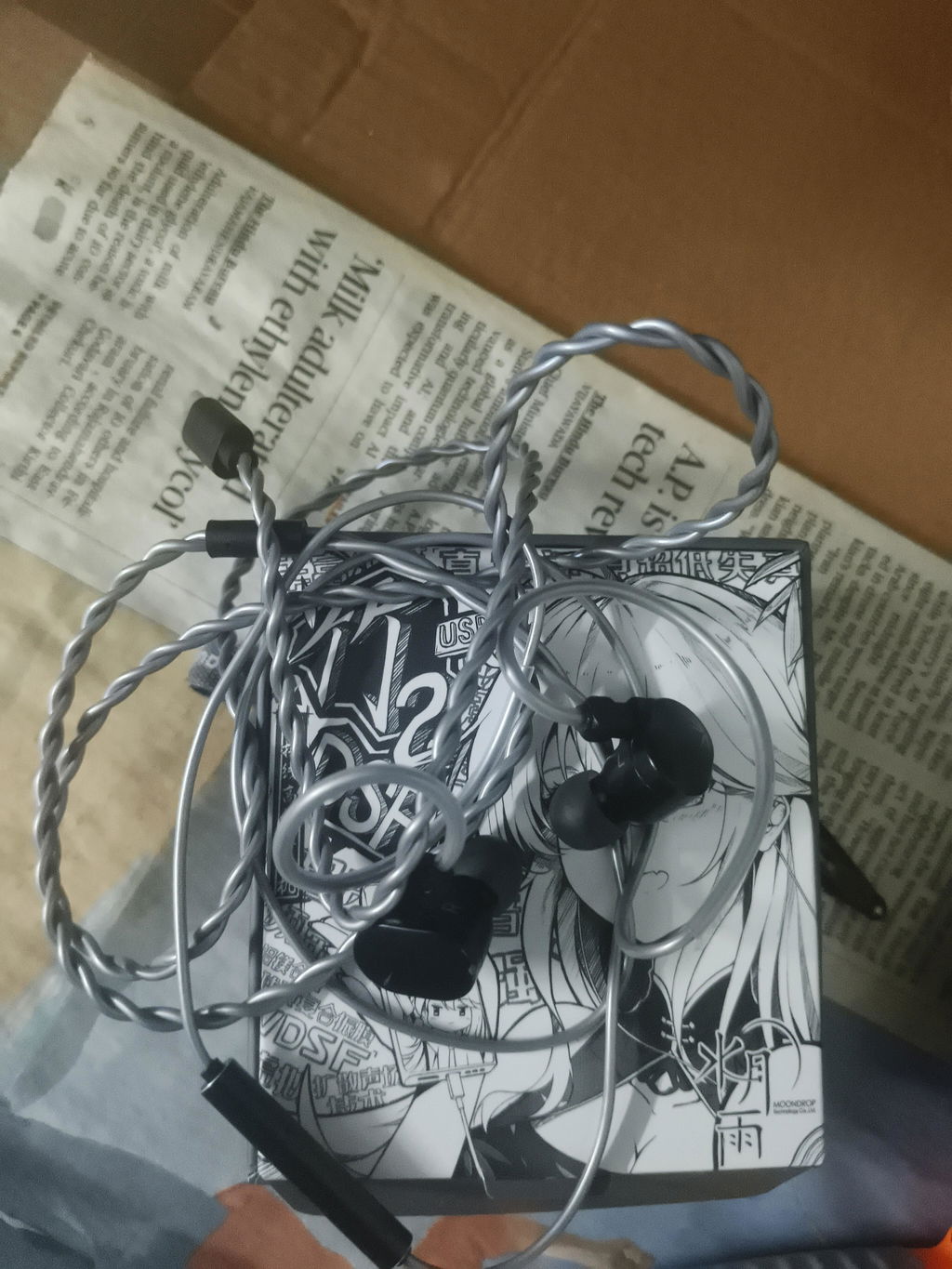
Same quality and good working
good cable
cable👍🏼
Cable working well as intended
Works just like the original cables that I got with the IEMs. Nice replacement.
Recently Viewed
OUR HONEST REVIEWS FROM THE CO-FOUNDERS & AUDIOPHILES
View all
TRUSTED BY OVER 75,000+ MUSIC ENTHUSIASTS
Let customers speak for us
Worth buying it!!
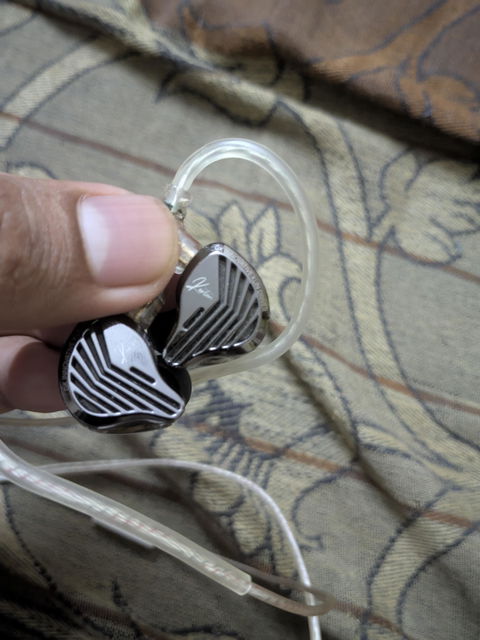
This earphones lacks vocals.
Sub bass slaps.
In game enemy foot steps can be heard like esp hacker
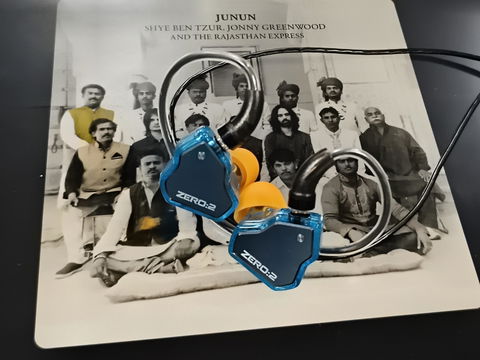
The Zero 2 didn't impress me immediately. Coming from regular consumer audio, my first reaction was honestly “where's the bass?” It didn't have that obvious thump I was used to.
Then I played James Blake – Limit to Your Love. That ridiculously deep sub-bass was clearly there. That's when I realised the Zero 2 wasn't bassless — its bass just wasn't constantly bloated or pushed forward.
But bass isn't why I ended up loving it.
The real revelation was separation and detail. Harris Jayaraj's Mudhal Kanave (Majunu) sounded unexpectedly airy, with instruments occupying their own space. Then A.R. Rahman's Nenjinile (Uyire) exposed tiny bells, percussion and background textures I'd heard countless times but never really noticed.
A.R. Rahman's Sangamam pushed it even further. Sowkkiyama and Muthalmurai sounded ridiculously clean and separated — vocals, veena, percussion and other instruments remained individually easy to follow even as the arrangements became busy. Tanam Kiravani was basically earporn on these.
The imaging isn't enormous or artificially wide, but with good recordings there's a convincing sense of where sounds are and how far away they are. Live recordings made this especially obvious. Remember Shakti's Saturday Night in Bombay actually felt like listening to musicians occupying a stage rather than instruments simply being panned left and right.
Modern electronic production can be equally fun. A.R. Rahman's Ladio (I) has a dense electronic arrangement but still gives its individual sounds room to breathe, while Marian Hill showed me how effective the opposite approach can be — sparse production, deep bass and tiny sounds appearing out of otherwise empty space.
The downside is that the Zero 2 also exposes mediocre production. I tried the DC soundtrack in 24-bit/48 kHz lossless, expecting a major improvement over Spotify. Apart from moments in Hangova, Thaalam Trip and Echoes of DC, much of it still sounded narrow. Lossless can't create space that isn't in the mix.
That's probably the biggest thing the Zero 2 taught me: recording, arrangement and mixing matter far more than a file simply saying “24-bit.”
It's not perfect. The stage could be larger, I'd occasionally like more physical bass impact, and the stock tips feel somewhat plasticky. But they're comfortable and seal well, and the different stock tip designs actually provide some useful room to experiment with the presentation.
Compared with something consumer-oriented like my OnePlus Z2 ANC, I lose ANC, wireless convenience and some exaggerated bass thump. That's about as much comparison as it needs — they're completely different products.
For the price, what impresses me most isn't that the Zero 2 makes everything sound amazing.
It makes great recordings sound great — and makes it painfully obvious when they aren't.
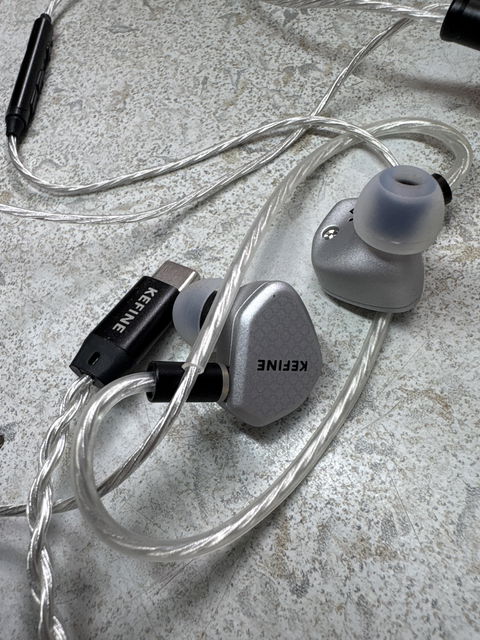
I’ve been using it for the past two weeks, and it has performed amazingly well. I absolutely love the golden nozzles. Overall design is premium. The build quality of both the IEMs and the cable feels excellent, and everything looks and feels genuinely premium. Overall, I’m really impressed with the quality and experience so far.
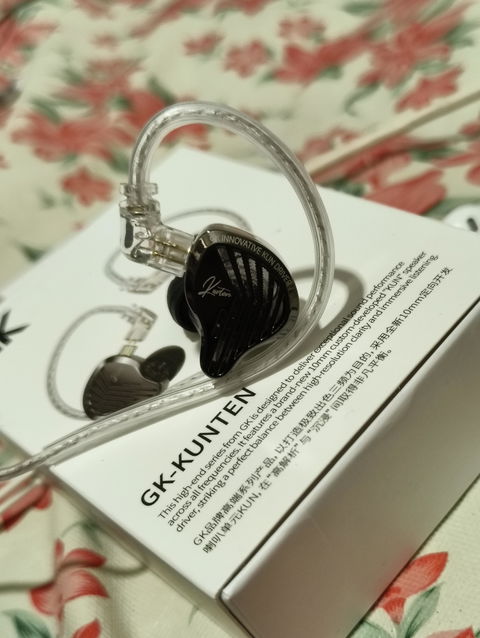
Heard so much about iems so i ordered edc pro, it was good for the price not great. So i thought I'll spend a lil more and got this. These were not good but insanely great.
Worth all my money.
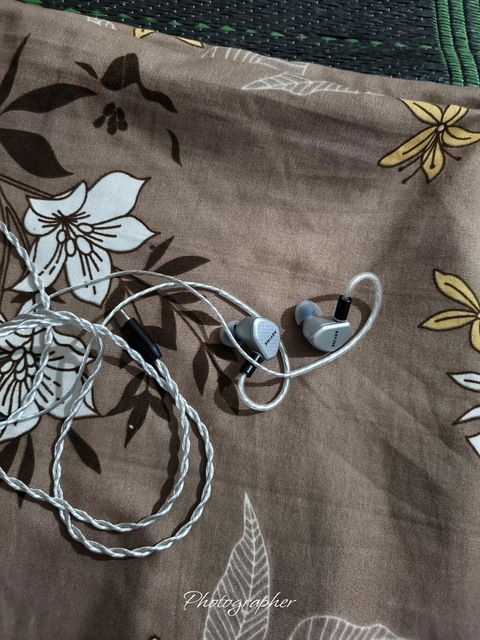
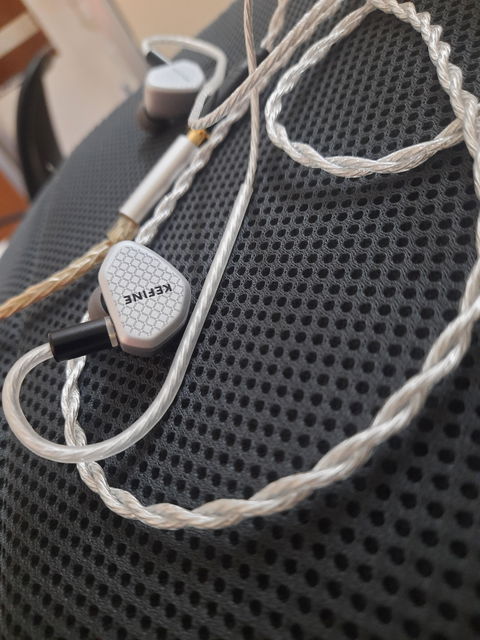
Excellent product ke fine sv a2z excellent
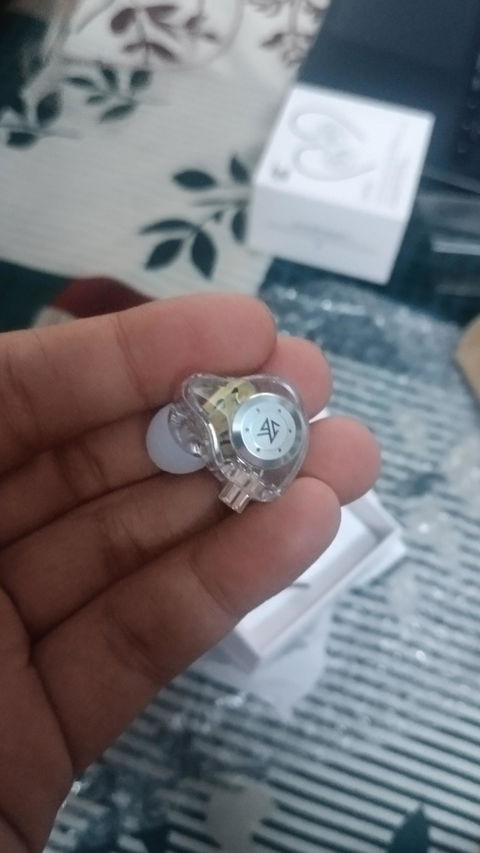
It is very good for gaming pov I'm using it for my ps5 only in 50% sound it give best sharpness sound good for fps gaming as well as story gaming dilouges are crystal clear if you want to buy buy this product for pc gaming and ps game aswell as mobile gaming like bgmi you should definitely enjoy the experience
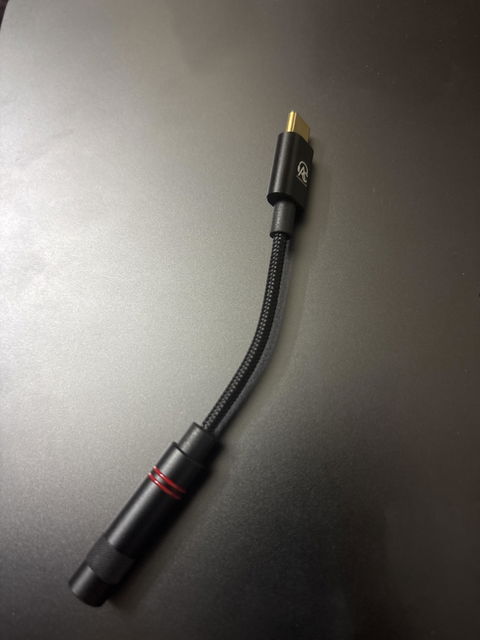
Well made no nonsense DAC.
Got a carry case and USB C to A adapter.
Build Feels strong and braided cable makes it durable.
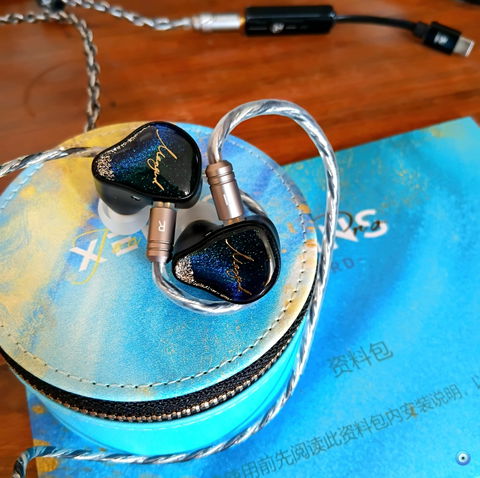
A very well tuned, slightly bass heavy pair of IEMs, but the bass is clean and doesn't bloat into the mids. Mids are good, vocals forward enough while not being shouty or shrill, and the technical ability of the IEM is a significant improvement over the Aria sonik happy there as well.
An added bonus would be they look pretty, fit well, unboxing and accessories are good.
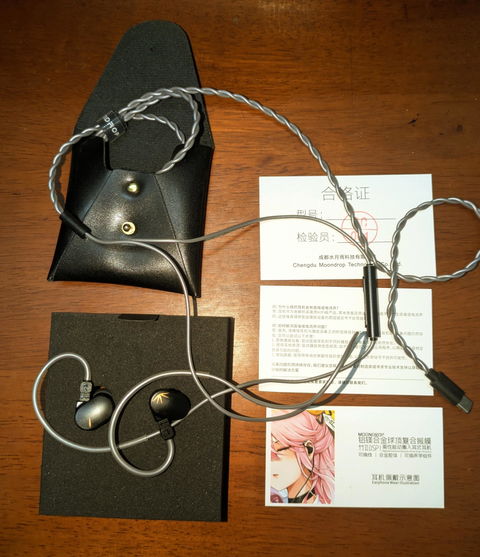
Have to say the product is great after 2 hour usage I think I may use this for everything ☺️
But the heating of usb-c (since it is dsp) will be a problem
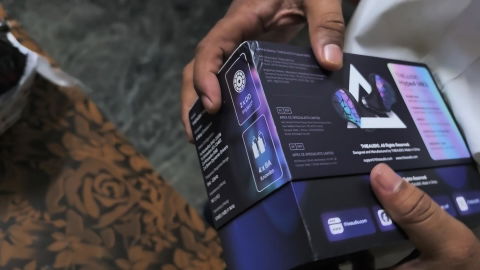
I recently purchased the ThieAudio Hype 4 MKII from The Audio Store, and overall, I am extremely happy with both the buying experience and the product.
⭐ The Audio Store – Service
My experience with The Audio Store was smooth and reassuring. The ordering experience was straightforward, and I really appreciate the confidence that comes with purchasing a premium IEM from a store that focuses specifically on personal audio.
The product arrived properly packed, and the overall presentation gave me confidence that I had received a genuine premium product. For an IEM in this price range, that level of trust and service matters a lot.
🎧 ThieAudio Hype 4 MKII – Sound Quality
The Hype 4 MKII is simply outstanding.
What impressed me most is the realism of the bass. The bass doesn't just sound powerful; it has a natural physical character and excellent texture. Kick drums and bass instruments have weight, depth and realistic decay without becoming muddy.
The vocals are another highlight. Voices sound remarkably natural and lifelike, almost as if the original singer is performing in front of me. The combination of vocal body, clarity and subtle ambience creates a very cinematic presentation.
The soundstage is wide, the imaging is precise, and instrument separation is excellent. I can easily follow individual instruments even in complex tracks. What I particularly appreciate is that the instruments retain their natural character instead of sounding artificially enhanced.
The small details in recordings are also beautifully presented — especially room ambience, vocal decay and subtle echoes. The overall presentation feels immersive and cohesive rather than simply “bright and detailed.”
🎯 Final Verdict
The ThieAudio Hype 4 MKII + FiiO QX13 has become an extremely enjoyable setup for me.
For anyone looking for an IEM that combines:
Deep realistic bass + natural vocals + excellent imaging + wide staging + instrument separation + musicality
I would highly recommend giving the Hype 4 MKII a serious listen.
And for my purchase experience, The Audio Store definitely deserves a big thumbs-up. 👍
Product: 5/5 ⭐⭐⭐⭐⭐
Sound: 5/5 ⭐⭐⭐⭐⭐
Build & presentation: 5/5 ⭐⭐⭐⭐⭐
Overall buying experience: 5/5 ⭐⭐⭐⭐⭐
Thank you, The Audio Store, for the excellent experience!
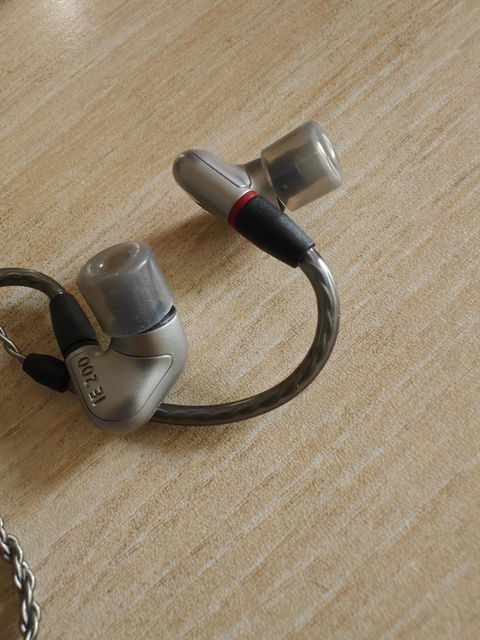
Very comfortable to wear, and provide a good seal. Noticeable improvement in bass and general musicality over the stock tips in the Sennheiser IE 200. I opted for a size larger than my usual.
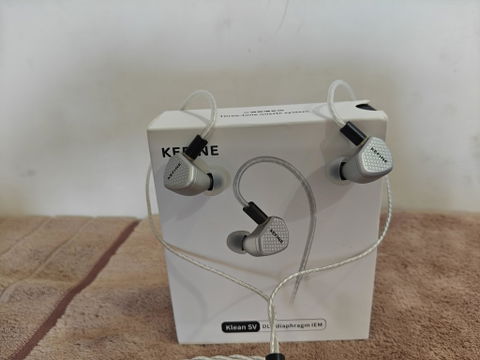
As it's name suggests it's sound signature is safe and clean. Safe because it is kind of bright iem but it didn't gives you ear fatigue easily also imppresed by it build quality too . Overall a perfect product around its price range 😀
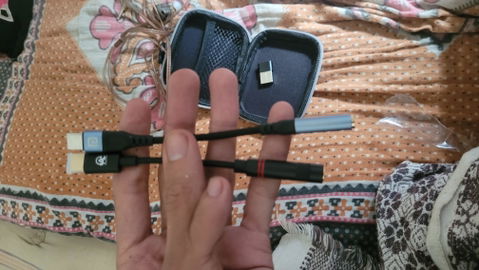
Very good sound quality
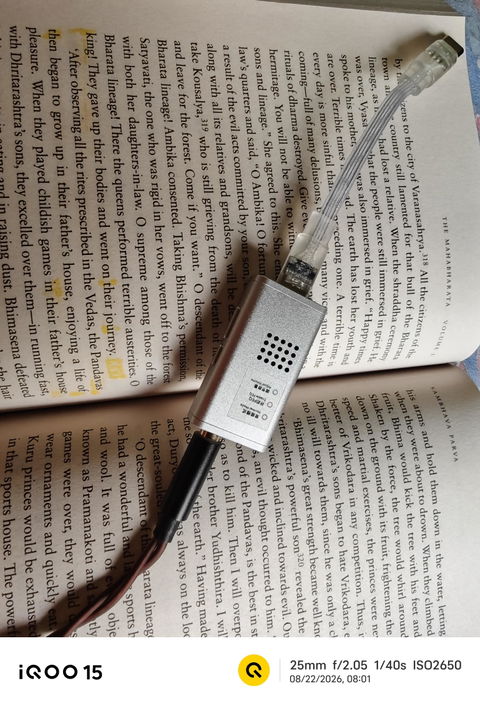
Though the pathetic delivery service by audiostore i am giving 5 star to the dac just because it is that good.
Its my first and final purchase from audiostore and its grnuine and works the way one can imagine


